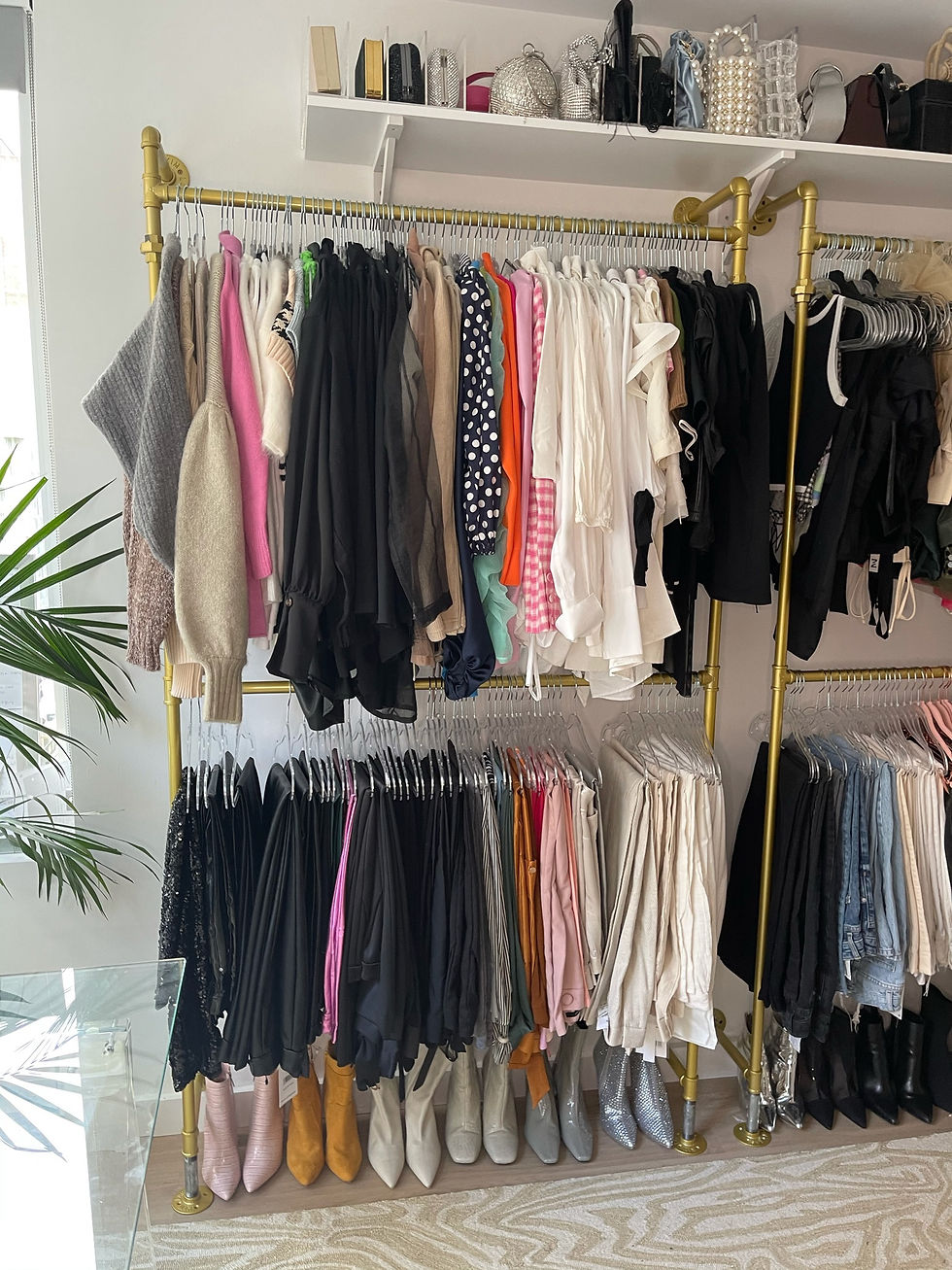
Transform Your Linen Closet: A Guide to Elegant Organization

Updated: Aug 4
A linen closet may not be the first space guests see when they enter your home, but it can quietly shape your daily routines. An organized linen closet creates calm, saves time, reduces waste, and makes your home feel more intentional.
Instead of digging through mismatched sheets, overflowing towels, or half-empty toiletry bins, you can create a system that feels elegant, efficient, and surprisingly luxurious.
Linen closets often become accidental catch-all spaces. Extra toiletries, beach towels, cleaning supplies, and random household items slowly pile up until the shelves become difficult to manage.
However, with the right organization strategies and proper linen care, your linen closet can become one of the most functional spaces in your home. These organizing tips will help you maximize space while keeping everything fresh, clean, and easy to maintain, whether you have a large walk-in closet or a small hallway cabinet.
Start With a Full Reset
Before purchasing bins or labels, begin by completely emptying the closet. Yes, everything. This step is important because most people do not actually know what they own until every item is out in the open.
You may discover duplicate sheet sets, torn or stained towels, pillowcases without matching sheets, expired toiletries, and seasonal items you forgot existed.
As you sort, create four categories:
Keep
Donate
Recycle or discard
Relocate
A linen closet should only contain items that support daily bathroom, bedding, and guest needs. If you find holiday décor, old paperwork, or random electronics hiding inside, it is time to move them to more appropriate storage areas.
How Many Linens Do You Actually Need?
One of the biggest mistakes people make is keeping too many linens. In reality, less inventory usually creates a more elegant and manageable system.
A good rule of thumb is:
Two to three sheet sets per bed
Two to three bath towel sets per person
One guest set for visitors
Seasonal blankets as needed
Keeping fewer linens means less clutter, easier laundry rotation, and more breathing room on your shelves. If you have children, pets, or frequent overnight guests, you may prefer the higher end of that range. The key is to keep only what you realistically use.
Create Zones for Better Linen Closet Organization
One of the smartest organizing methods is using “zones” throughout the closet. Instead of randomly stacking items wherever they fit, assign each shelf a purpose.
Everyday Essentials Zone
Place frequently used towels and sheets at eye level for easy access.
Guest Linen Zone
Store guest towels, extra pillows, and spare bedding together.
Seasonal Bedding Zone
Keep heavier winter blankets or flannel sheets on higher shelves or in labeled bins.
Toiletry and Backstock Zone
Use containers for travel toiletries, soap, toilet paper, and personal care items.
Cleaning and Laundry Zone
If space allows, designate a small area for stain removers, wrinkle release spray, or fabric refreshers.
Fold Smarter, Not Harder
Neat folding instantly makes a linen closet look elevated and intentional. One overlooked trick is consistency. Even if your folding is not perfect, using the same folding style for every towel and sheet creates visual order.
For towels:
Fold bath towels in thirds for a cleaner, hotel-style appearance.
Stack towels vertically if shelf depth allows.
Keep washcloths inside small bins or baskets.
For sheet sets:
Store entire sheet sets inside one matching pillowcase.
Include the fitted sheet, flat sheet, and pillowcases together.
This “bed-in-a-bag” method prevents mismatched linens and makes grabbing a full set effortless.
If fitted sheets constantly frustrate you, do not overcomplicate the process. The goal is functionality, not perfection. Even a loosely folded fitted sheet looks polished when contained inside a pillowcase set.
Use Containers Strategically
Not every item in a linen closet needs a basket, but the right containers can dramatically improve functionality.
Some of the most useful options include:
Clear acrylic bins for toiletries
Shelf dividers for towel stacks
Woven baskets for overflow linens
Turntables for small products
Under-shelf baskets for maximizing vertical space
Fabric storage bags for seasonal bedding
Labels also make a major difference, especially in shared households. When every item has a designated home, maintaining organization becomes easier for everyone.
The Secret to Fresh-Smelling Linens
A beautifully organized linen closet loses its appeal quickly if the linens smell stale or musty. Freshness starts with airflow.
Avoid overstuffing shelves, since tightly packed linens trap moisture and odors. Leave small gaps between stacks whenever possible.
To keep linens smelling fresh:
Use lavender sachets or cedar elements.
Add a small dehumidifier in humid climates.
Rotate linens regularly.
Wash items before long-term storage.
Avoid storing damp towels or sheets.
Washing Linens the Right Way
Even the most beautiful linen closet will not stay elegant if the linens themselves are not properly maintained.
One common mistake is overwashing or overwarming fabrics. While towels need thorough cleaning, delicate linens benefit from gentler care.
How Often Should You Wash Linens?
As a general guideline:
Bed sheets: once a week
Pillowcases: every few days, if possible
Bath towels: every 3-4 uses
Duvet covers: every few weeks
Blankets and comforters: seasonally or as needed
Use Gentle Cycles for Delicate Fabrics
Linen, cotton percale, and lightweight bedding can shrink or wear down under high heat. To protect your fabrics, wash in cool or lukewarm water with a gentle detergent. Avoid overloading the washer and dry on low heat when possible. High temperatures may feel more sanitary, but they often shorten the life of your linens.
Skip Excess Fabric Softener
Too much fabric softener can leave buildup on towels and reduce absorbency over time. Instead, use wool dryer balls, add white vinegar occasionally during rinse cycles, or use fabric refresher sprays lightly between washes. This helps linens stay soft without creating residue.
Fold Immediately After Drying
One of the easiest ways to maintain an elegant linen closet is to fold items immediately after they come out of the dryer. This reduces wrinkles, keeps stacks cleaner, and prevents the dreaded “laundry chair pile” from forming. If you want a polished, hotel-inspired appearance, lightly steam or smooth linens before storing them.
Rotate Linens by Season
Seasonal rotation is one of the most overlooked ways to improve a linen closet.
During warmer months, use lightweight cotton or percale sheets, and store heavy flannel or fleece bedding elsewhere. During colder months, bring thicker blankets and warmer fabrics forward, and store lightweight summer linens in labeled storage bags.
Not only does this free up shelf space, but it also keeps your closet feeling less overcrowded year-round.
Maintain It With a Five-Minute Reset
The best organizing systems are the ones you can realistically maintain.
Instead of waiting for the closet to become overwhelming again, spend five minutes each week refolding messy stacks, returning misplaced items, checking inventory, and rotating older linens forward.
A quick weekly reset prevents major reorganization projects later.
A linen closet does not need to look picture-perfect every moment of the day. It simply needs to function well for your household while creating a sense of ease and order. When your linens are clean, thoughtfully stored, and easy to access, even ordinary routines like making the bed or grabbing a towel can feel a little more elegant.
In the end, you do not need a celebrity-sized linen closet to create a calm, elevated feel. Simple consistency can make a small space feel polished and intentional.
If you are looking to elevate your linen closet, be sure to check out our shop. There, you will find all of our favorite storage options, luxury touches, and more.