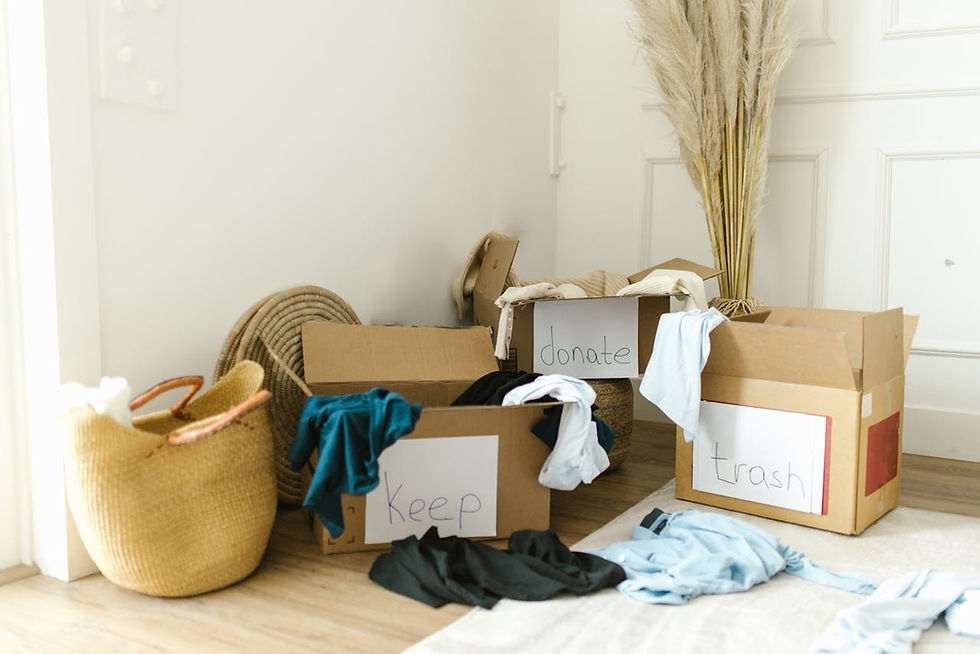
The Psychology of Clutter and Decluttering Tips for Home That Help You Let Go Without Guilt


More than messy spaces or too many belongings, clutter is deeply connected to how you think, feel, and live. When you begin exploring the psychology of clutter, you realize every object you keep holds meaning beyond its function. Some items bring joy, while others carry memories, guilt, or even a sense of obligation.
The key to lasting change is not perfection. It is practice. Over time, your effort and commitment lead to visible transformation, similar to a consistent fitness routine. There is no magic wand for a quick fix, only progress through patience and persistence.
Let us explore how to understand the psychology behind clutter while approaching the process with curiosity, fun, and self-compassion.
Decluttering Tips for Home That Build Over Time
Many people approach decluttering as a chore, but reframing it as an ongoing practice can make a significant difference. Much like exercise, the benefits of decluttering build gradually. Every small step strengthens your confidence and lightens your space.
The most effective decluttering tips for home focus on consistency over intensity, helping you build confidence one decision at a time instead of chasing quick results.Just as muscles grow stronger with consistent training, your ability to make confident decisions improves with repetition.
What the Psychology of Clutter Teaches Us
Emotional Attachments and Memory
One of the main lessons from the psychology of clutter is that emotional attachments run deep. We link items to memories. That old concert ticket or your child’s artwork is a symbol of connection as much as it is paper.
But here is a reassuring truth: your memories live within you, not in the objects themselves. You do not lose your past by letting go of what represents it. You gain room to fully live in the present.
Instead of keeping every memento, try choosing a few favorites to display or photograph. You will preserve the sentiment while clearing space for new experiences.
The Fear of Waste and “Someday Thinking”
Fear often fuels clutter. The fear of wasting something, of needing it later, or of making the wrong decision. This mindset is like skipping workouts because you are afraid you will not see results immediately.
When you trust the process, you realize that decluttering is more about freedom than deprivation. Releasing what no longer serves you is a way of investing in your present life. Ask yourself, “If I needed this tomorrow, could I borrow or replace it easily?” If yes, it is safe to let it go.
Who You Are Now vs. Who You Were
Our homes often reflect past versions of ourselves. That stack of unread cookbooks, unused treadmill, or unworn blazer might represent old ambitions or identities. The psychology of clutter helps you recognize that holding on to these items can trap you in a version of yourself you have outgrown.
Just as your fitness journey evolves, so does your lifestyle. You no longer need equipment that does not match your current routine. Letting go of those items means you are progressing, not failing. As you organize, ask, “Does this represent who I am today or who I used to be?” Allow yourself to move forward without guilt.
Guilt, Obligation, and Sentimental Pressure
One of the toughest clutter challenges comes from gifts and heirlooms. You may feel that letting them go dishonors the person who gave them to you. But keeping a gift that brings guilt instead of joy is like continuing an exercise that causes you harm. It does not strengthen your well-being.
A gift’s purpose is to bring happiness or utility. Once it no longer does, you can appreciate the thought behind it and still release it. Consider keeping one meaningful item from a collection and letting the rest go. One teacup from Grandma’s set carries the same love as twelve.
How Clutter Affects Your Well-Being
Stress and Mental Overload
Studies show that clutter increases stress hormones, especially cortisol. A disorganized space can make your mind race the same way skipping workouts leaves your body restless. When your surroundings feel chaotic, it becomes harder to relax and focus.
Decision Fatigue
Every item you own requires a decision: keep, use, store, or toss. This constant mental load leads to decision fatigue, making even small choices—like what to wear—feel exhausting. Simplifying your environment restores mental energy and calm.
Emotional Stagnation
Physical clutter often mirrors emotional clutter. Holding on to the past through possessions can prevent you from embracing the present. Much like the relief and renewal experienced when releasing tension from tight muscles, letting go can offer similar benefits.
How to Declutter With Confidence and Joy
1. Begin With Intention
Before you begin, set a clear goal. Why do you want to declutter? Perhaps it is to create a peaceful home, simplify your routines, or reduce stress. Like a fitness plan, having a reason keeps you committed even when motivation dips. Write your intention on a note and keep it nearby. Each time you make progress, take a moment to celebrate it. Practice and consistency, not perfection, equal progress.
2. Start Small and Build Momentum
Rome was not built in a day, and neither is an organized home. Start small by working on one drawer, one shelf, or one category. Each success boosts your confidence, just like finishing that first week of workouts. Try the “five-item rule” if you feel overwhelmed. Choose five things each day to discard, donate, or relocate. Consistency matters more than speed.
3. Replace Judgment With Curiosity
When something feels hard to part with, do not criticize yourself. Instead, ask, “What emotion is this item triggering?” Is it nostalgia, fear, or obligation? This self-awareness transforms decluttering into an empowering experience. Over time, you will notice that decision-making becomes easier, just as exercises become more natural the longer you train.
4. Create Systems That Support You
Once you have cleared your space, build simple systems that make staying organized easy. Assign each category a home and keep frequently used items within reach. This is your maintenance phase: the equivalent of continuing to work out after reaching your goal. A tidy environment supports lasting calm and balance.
When Decluttering Feels Hard
Decluttering, like fitness, can feel tough at first. There will be moments when you want to quit or when the emotional weight feels too heavy. That is normal.
Take short sessions—20 minutes at a time—to prevent burnout. Invite a supportive friend or hire a professional organizer to guide you, like a personal trainer for your home. Their encouragement keeps you accountable while helping you stay motivated.
Above all, be kind to yourself. Every drawer cleared, every bag donated, every decision made is a step toward peace and clarity.
The Freedom on the Other Side
When you begin to understand the psychology of clutter, you realize that each item you release builds confidence, peace, and freedom.
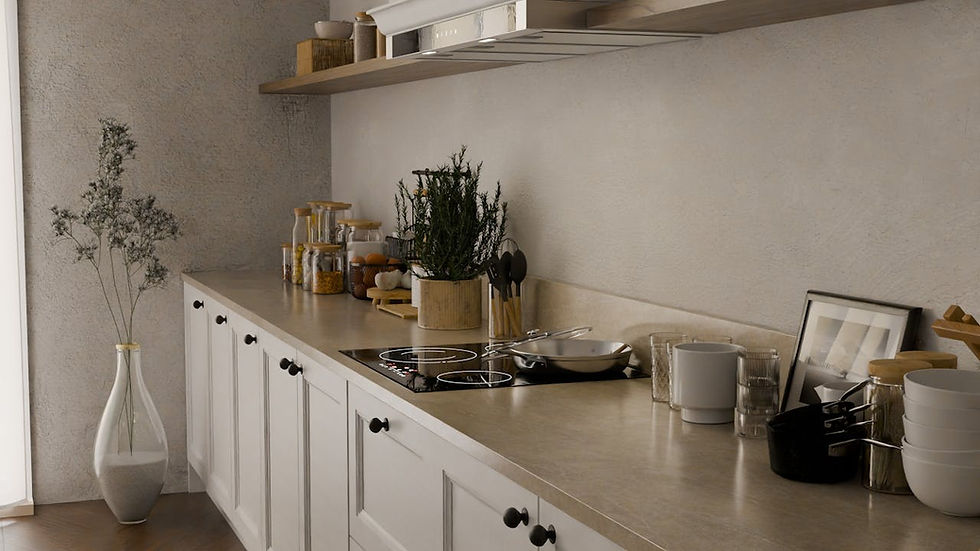
Imagine walking into a room that feels light, open, and intentional. Your home reflects the life you are living now, not the one you left behind. Decluttering is an act of self-respect, one that honors who you are today while creating space for who you are becoming.
So, make the commitment. Believe in yourself. Trust the process. Remember: practice makes progress, and your home can become the calm, inviting space you have always envisioned, one step at a time.
If you are interested in quick organizing wins to help you on your decluttering journey, follow us on Instagram. Our daily tips will guide you in creating a tranquil home where you can feel relaxed.